

Go to the Party, Even When Life Doesn't Feel Like One
In other words, let's crush this holiday (but, like, in a peaceful way)

Hello friends and fellow humans,
Thanksgiving can be joyful, and for many people, it’s also complicated. So, I want to kick off this holiday weekend by saying thank you, because saying thank you feels good. Thank you for reading, for caring, and for supporting my work. It brings me hope to craft this newsletter and share my stories with you.
I also wanted to share my essay, “Go to the Party. Even When Life Doesn’t Feel Like One.” It’s about showing up, even during a long-term loss. It’s about what complicated joy feels like and how much a break can bolster my (sometimes worn-out) soul. And how friendship and camaraderie can save us all.
This piece was featured on Kelly Corrigan’s great podcast, “Thanks for Being Here,” on November 23 of this year, and you can listen to Kelly read it beautifully here. A big thank you to Kelly Corrigan. And my friend and fellow writer, Jennifer Cramer-Miller, for offering keen editing on the essay.
Go to the Party. Even When Life Doesn’t Feel Like One.
Recently, I returned home from my dear friend Kate’s daughter’s Bat Mitzvah. Every day of our trip to Durham, North Carolina, was sunny and a perfect seventy-ish degrees. I love the child who turned thirteen, and her whole kvelling family. I’ve known this now-teenager since she was 18 months old, and her two sisters for their whole lives. They are like nieces to me.
I knew it would be powerful to witness Kate’s daughter courageously lead the congregation in prayer. She put in the work to publicly chant the Torah, which requires tenacity, grit, and commitment. I knew I would appreciate her efforts and want to contribute to the good cheer. I knew I had to stay in the moment, instead of worrying about my own child.
My daughter is ten and has a rare genetic difference that causes developmental delays—she is not able to fly on an airplane, given her severe autism. My girl is dependent on a feeding tube and lives with chronic digestive concerns. Because of her anxiety, my child sometimes misses me even when I’m there. She has many challenges that I cannot control or fix. Oh, I have tried.
And yet, after having my daughter, the fact that I could travel 1200 miles—especially with my husband, Cedar, was something rare and amazing. Cedar made a spreadsheet to organize the highly skilled caregivers who covered the 72 hours we were gone. He updated our medication charts, which detail the required interventions by the hour, and left his phone on all night in case there was a medical emergency. (There is often a medical emergency.) We are never too far away from our lives as caregivers, even when we are away.
It was one of those weekends packed with dinners and photos and pleasant conversations. People asked how my daughter was doing, noticing, as usual, that she could not travel. “The same,” I said. I didn’t want to get into it, not there. Not usually. Last week, she couldn’t stop banging her head; it’s not a party conversation.
Still, the joy of my dear friend’s daughter’s bat mitzvah took up the space I hoped it would. I was grateful to be included. To feel a sense of possibility and experience a shining reminder of what’s beautiful about being alive. Which is mostly each other.
I finally met Emily, Kate’s oldest friend, and we hugged tightly upon first meeting. By the end of the weekend, we expressed our love for each other. It was easy to get swept up by the outpouring of love that surrounded this weekend, this teenager, this family. We were a part of something together.
Along with other dear friends, Kate’s extended family included Cedar and me in the photo shoot. Later, I stood alongside them at the synagogue to say a prayer for peace. That evening, we danced the hora and ate more desserts than I typically eat in a week. We chatted and recalled the stories of how we met, tales of our younger selves—before children, before so many things happened that we did not expect. I felt transported in a genuine, unfettered, full-body happiness.
Once back in my usual routine, after doing five loads of laundry and getting my children to school, I considered how it was so easy to be in the moment on this trip. Why did the grief feel less intense, less pervasive? I could easily be present without the sting in my gut, which is what I want, but sometimes cannot access.
It hit me right after my regular workout. I was less mired in my grief—in my individual story—because being there mattered. It was, in part, because of Kate and her partner Brad’s willingness to weave me, and all of their dear people, into the fabric of the weekend. Because of their affectionate inclusion, I could feel our presence meant something. Our lives, our showing up affected each other. As it always does, yet it is usually less obvious. We were more than caregivers; we were part of a community. My husband and I existed outside of our little family, our little world.
What if we could all do that for each other? What if we tried, more often, to be vulnerable in that way? To show up during big and small events, despite what we are going through individually. To invite friends to a photo shoot. To take pictures, which illustrate something bigger than the images themselves. Each photo said: We want to remember this. We want to remember you.
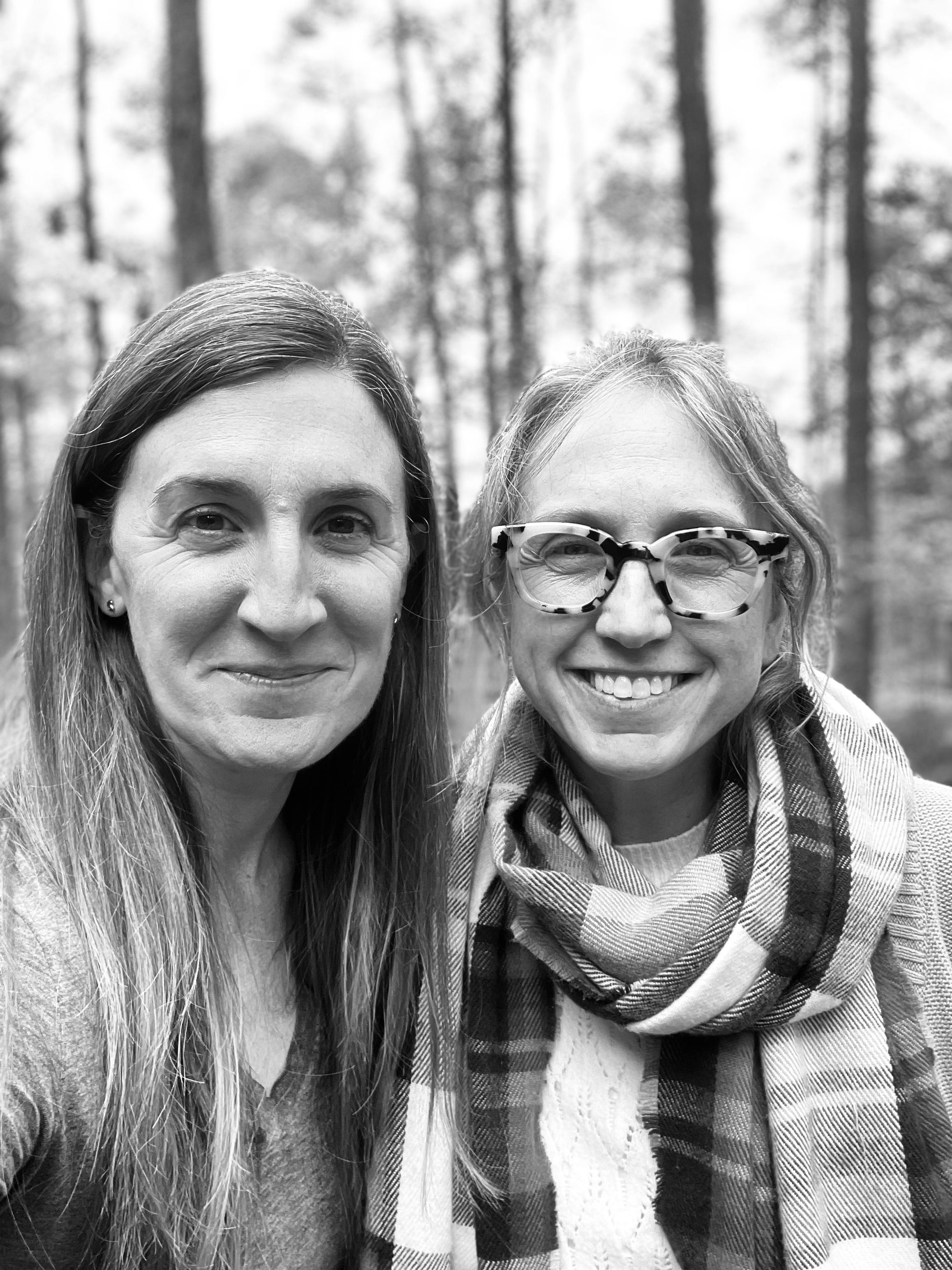
Seeing my friend’s daughter carry on an ancient tradition made me hopeful about future generations. She connected to ancestral rituals, which link her to a long history in a world that is mired in fifteen-second clips. We were there to witness it. In person, together. Our days were full of prayer and soulful celebration and hours (yes, full hours!) on the dance floor. I’ll never think of Cupid Shuffle the same way again.
As I sweated through my sparkly dress and sang in unison with Emily, Kate, and everyone on that crowded dance floor, we knew time would never unfold quite like this again. We were here, jumping and twirling around. And we wouldn’t be forever. I know as much as anyone that this moment wouldn’t last. Our lives are precious and finite. And also, what a miracle to be in that space together. How divine to converge, given the constraints of time and the distance between our homes, plus everyone’s caregiving and children, errands, and careers that need tending to each day.
Showing up lifted my grief. It did not make it go away, of course—but I got a reviving dose of respite and a boost of perspective. The weekend away reminded me that even with my long-term loss, I can still be a part of something. In short, breaks can prevent the hard things from breaking us.
I know I’m not alone in needing to work harder to feel good during this darker, colder time of year. Here are three things bringing me hope right now:

Everything Happens with Kate Bowler. Through the Lens of Love with Tim Shriver.
I adore Kate Bowler. This is a great episode about dignity and respect for all people with the longtime Chairman of Special Olympics.
UC Berkley’s Greater Good Science Center Holiday Resources
I couldn’t just pick one of these articles about thriving during the holidays (although I’d be happy with simply a sense of well-being). This accessible, research-based collection features pieces on generosity, managing stress, hard conversations with relatives, gratitude, goal-setting, and more.
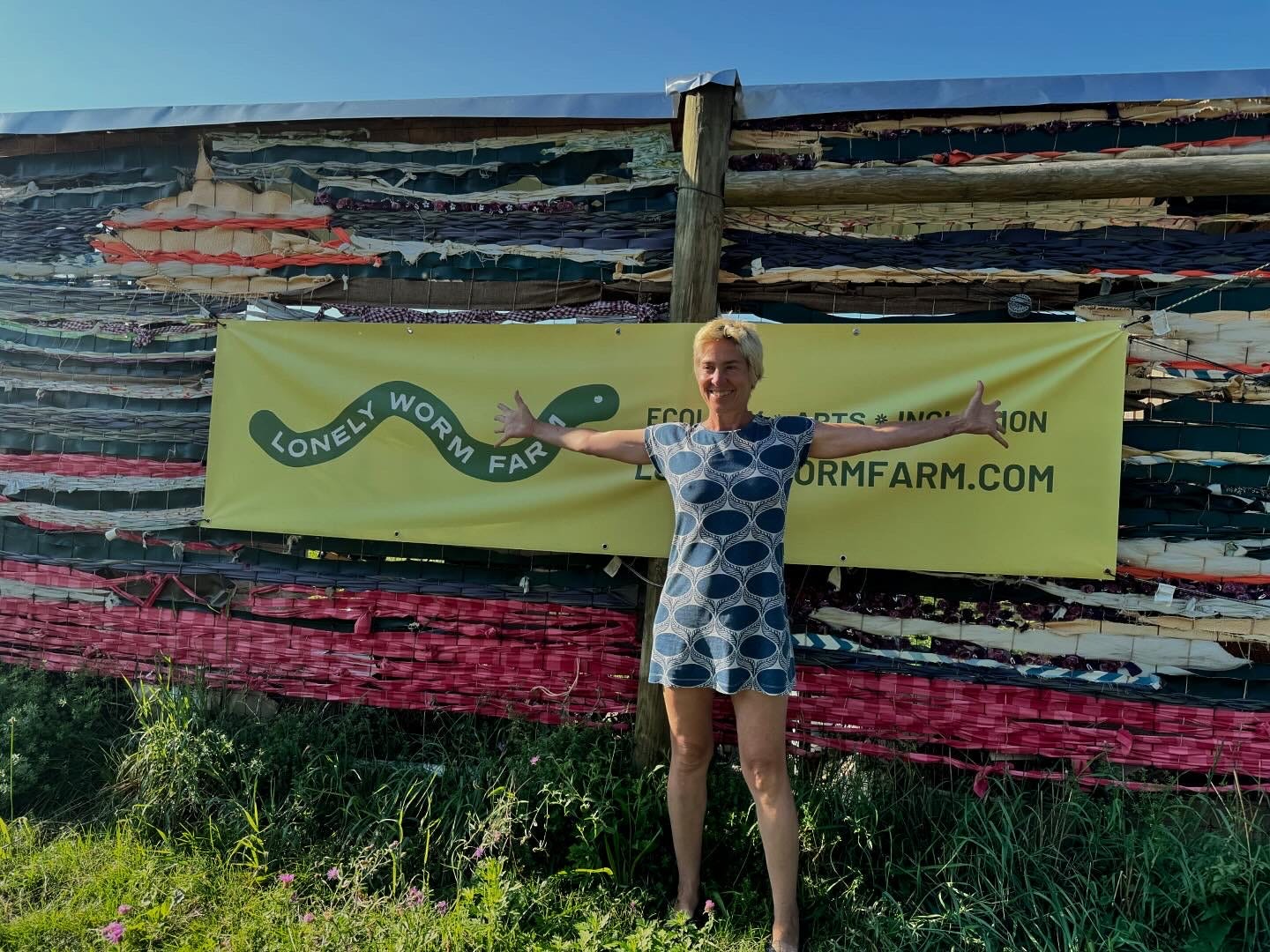
Starting this month, I’m featuring a hopeful organization in this section, and this is one that I love! Lonely Worm is a Hudson Valley care farm, where adults with physical and intellectual disabilities can connect with nature and each other, learn about regenerative agriculture, obtain job training, and express themselves through the arts. Last summer, Cedar and I had the great joy of visiting; I was so inspired, I wanted to stay for weeks. Eliza started the farm with her husband, Jason, prompted, in part, by their son Felix’s need for meaningful work and a sense of belonging. For stories about her farm, check out Eliza’s Substack, Wayward Utopias.
I hope you get some hearty breaks this weekend. And, as we say around my house, let’s crush this (in this case, Thanksgiving). Yes, that might be overly enthusiastic, and typically, holidays for our family have been, shall we say, less than perfect. But try calling it out when anyone in your family, or in your life, crushes anything throughout the day (we say it so much that a nurse who worked with my daughter at the hospital last week just sent a note—on one of those cards they sometimes send after a procedure, and it said, “Eden, you crushed the surgery.” And she did.)
It’s such a boost to celebrate all the wins. The big and small ones and everything in between. And who doesn’t need a boost right now?
Happy Thanksgiving—or however you feel about it. Most of all, keep loving each other,
Emma
Emma, you crushed this post! But what else is new? Wishing you and your beautiful family a meaningful, hopeful, and happy Thanksgiving.
Happy Thanksgiving, Emma! Thankful for you, and all that you do❤️🙏